

|
Description
|
2025–2027 (Planned / Target)
|
Up To Date
|
|---|---|---|
Capacity Building
Through structured mentoring, 120 Peer Humanitarian Partners (PHPs) have been trained and empowered to improve their institutional and operational capabilities.
Local Leadership
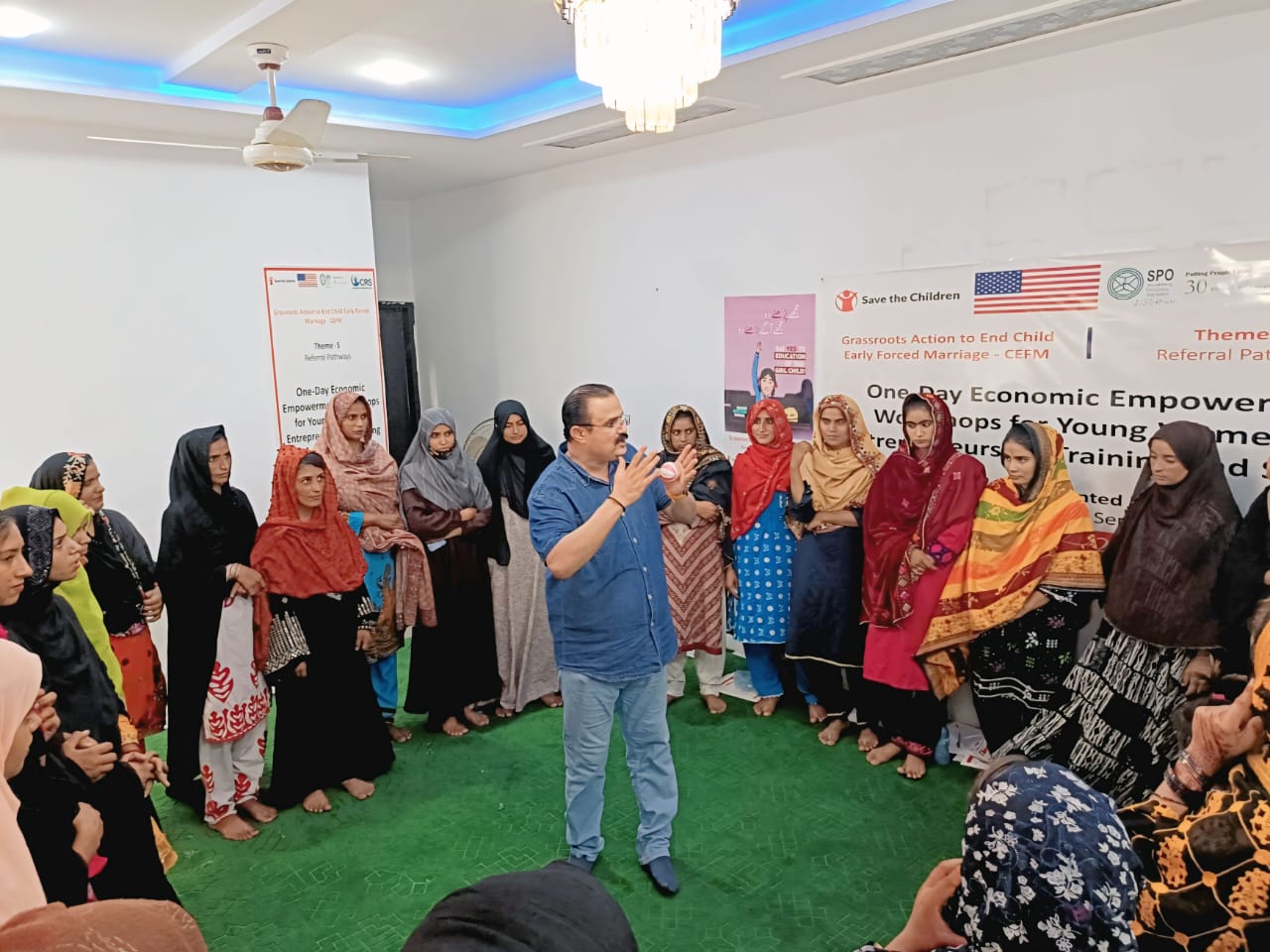
40 Local Humanitarian Partners (LHPs) are actively mentoring and supporting local NGOs to build stronger, more sustainable humanitarian systems.
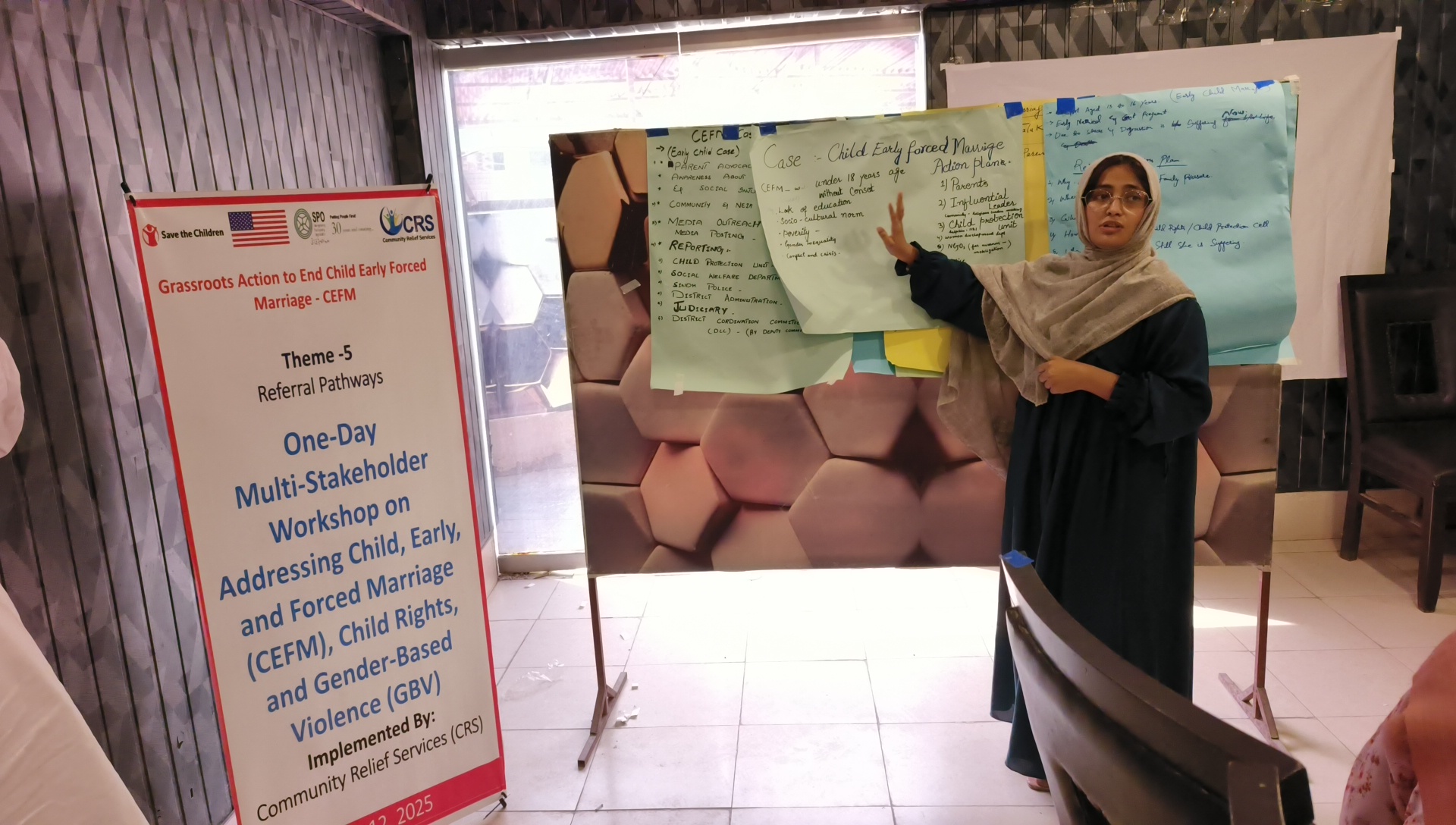
Emergency Response
Communities are now receiving faster, more effective, and accountable humanitarian assistance during emergencies and crises.
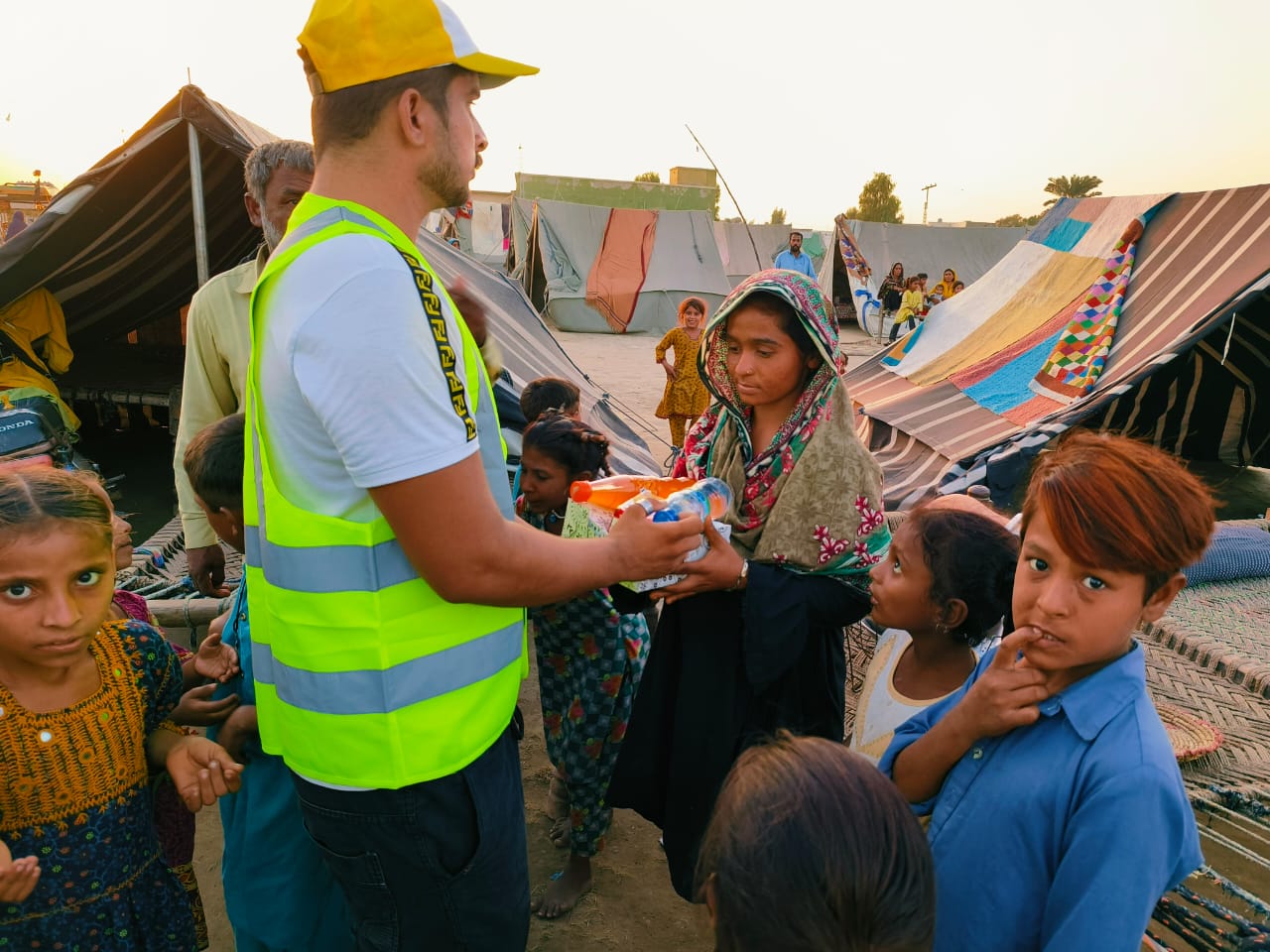
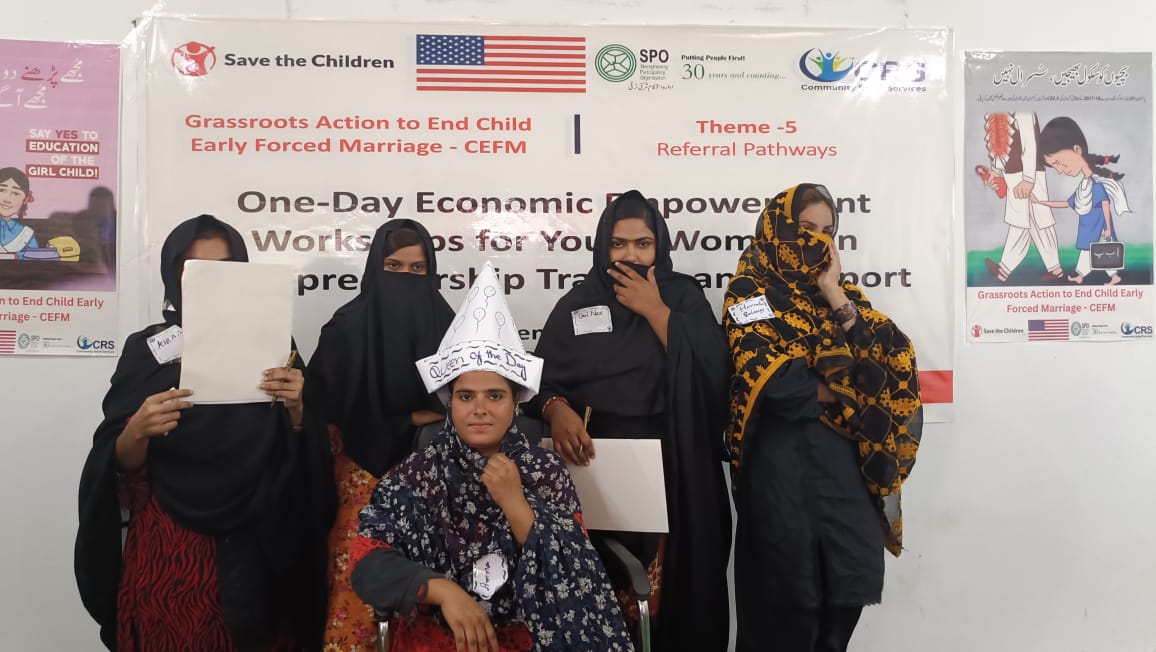
Social Inclusion
The project promotes inclusive initiatives that actively support women, youth, persons with disabilities, and marginalized groups.
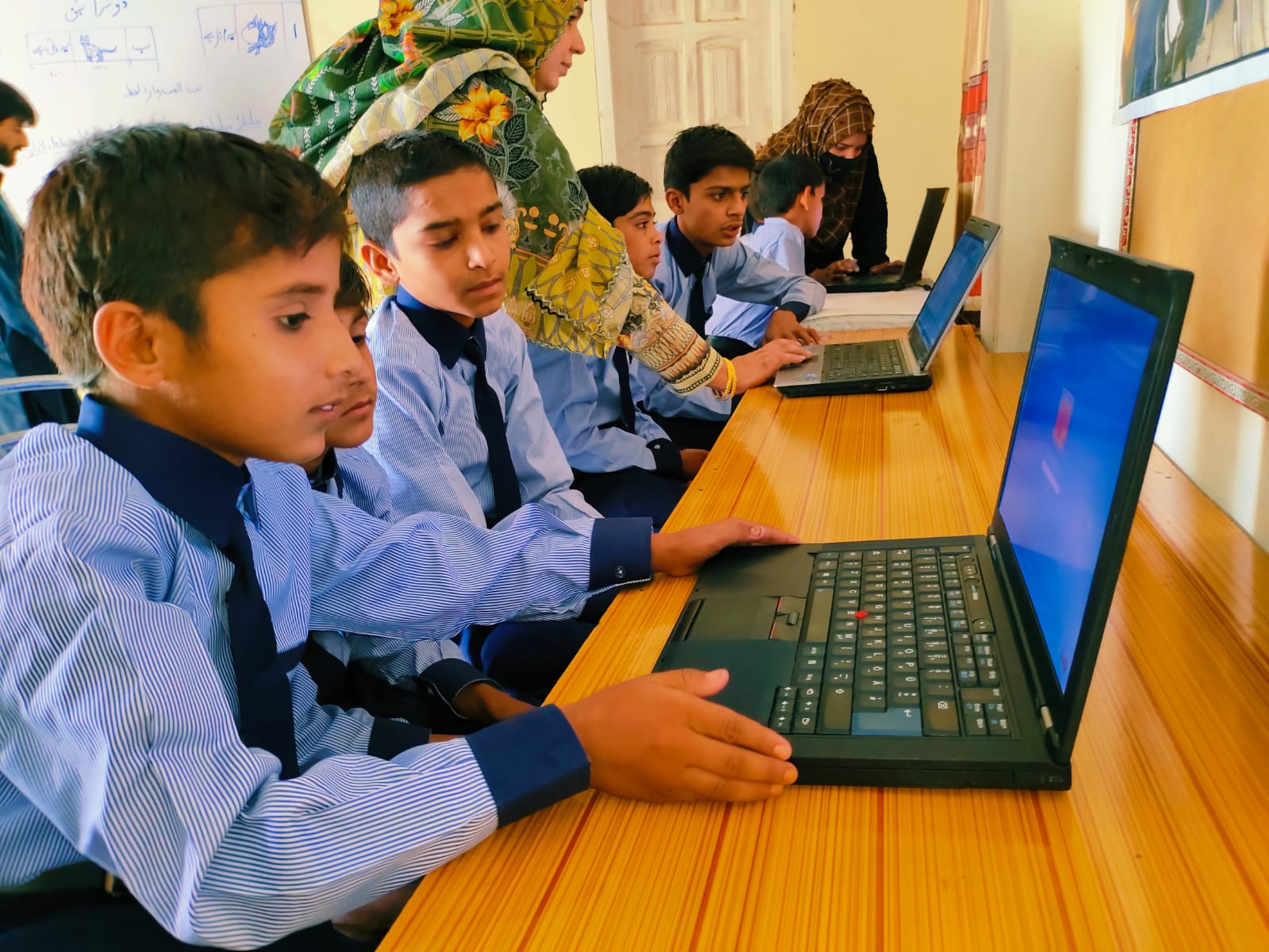
School Cluster Policy-A pilot project
The objective of the school clustering policy is to support the Sindh Education and Literacy Department is to smoothly implement thef School Clustering Policy and enhance the capacity of the relevant stakeholders to advance the level through field coaching so that new delegated powers can be exercised by the cluster schools’ head teachers and technical support to the government of Sindh, for scaling up the clustering policy execution and develop the monitoring and reporting system
Child Safe Spaces
Child psychosocial well-being refers to the emotional, social, and psychological development of a child. It encompasses their ability to form relationships, express their feelings and navigate the world around them. A child’s psychosocial well-being is shaped by a variety of factors including genetics, environment, experiences and relationships with others. A positive and supportive environment, nurturing relationships with caregivers and opportunities for socialization and learning all contribute to a child’s psychosocial well-being. Conversely, adverse experiences such as neglect, abuse or trauma can negatively impact a child’s psychosocial development and lead to long-term consequences. It is important for caregivers, educators and mental health professionals to prioritize a child’s psychosocial well-being in order to promote their healthy development and overall well-being