


|
Description
|
2022- 2025
|
Up To Date
|
|---|---|---|
Immediate Crisis Assessment
When disaster strikes, every minute matters. Our Rapid Response model ensures that our teams reach affected areas as quickly as possible to assess urgent needs. We identify critical gaps in food, water, medical care, and shelter to deliver targeted and effective assistance. This swift action helps stabilize communities and prevent further loss during the most critical hours.
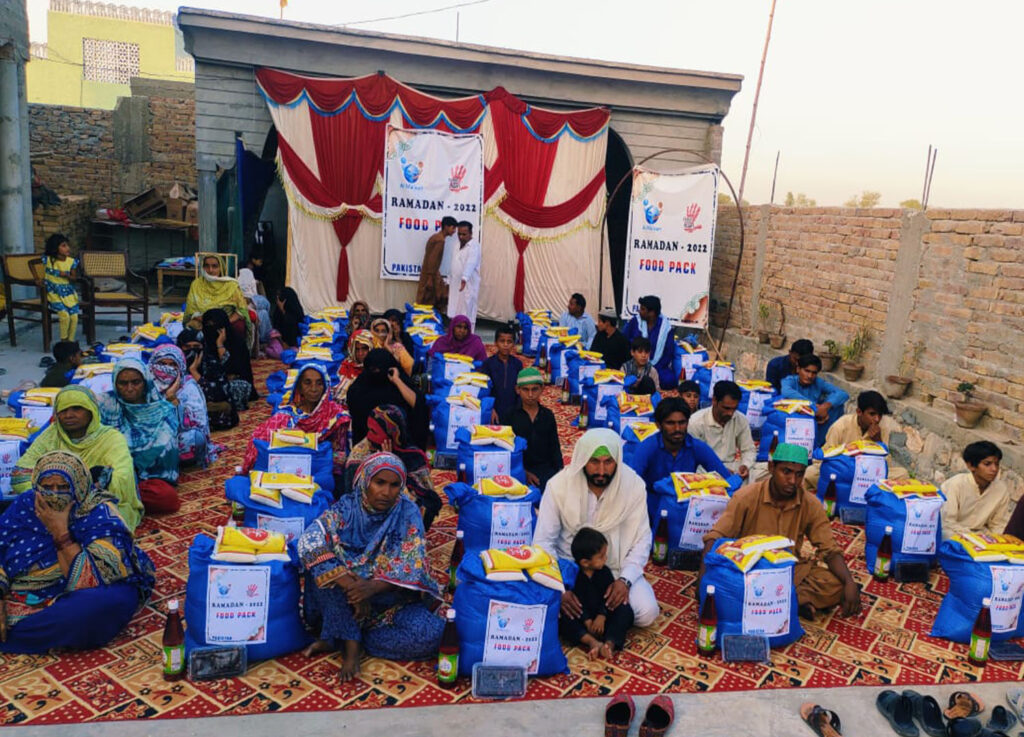
Life-Saving Support Delivery
Through our organized relief system, we provide Survival Kits containing essential food items, hygiene supplies, and emergency medical aid. Our priority is to reach the most vulnerable families first, ensuring dignity, protection, and immediate relief during times of hardship.
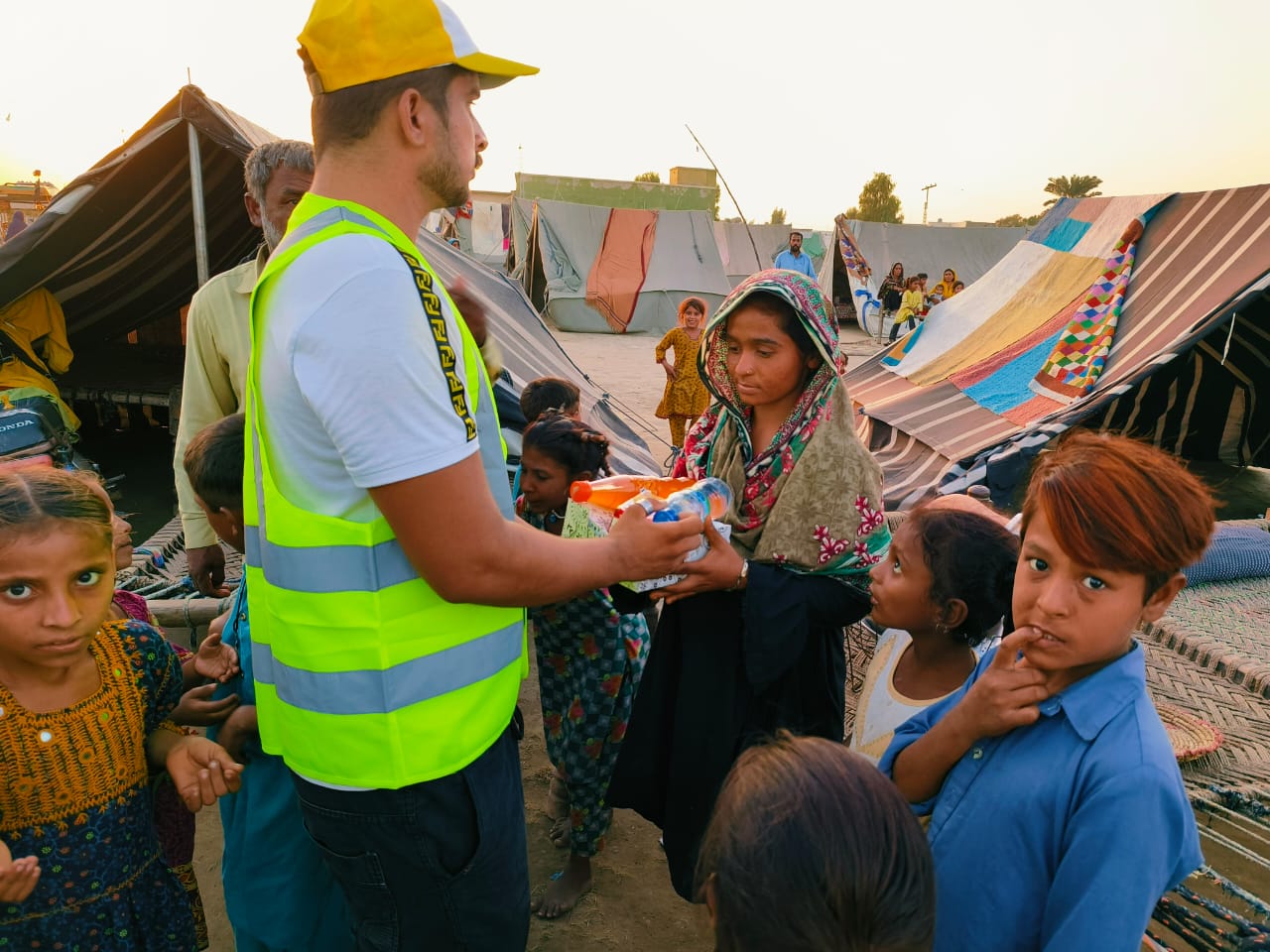
Protection Through Clean Services
In emergency settings, lack of clean water and sanitation can lead to serious disease outbreaks. Our WASH & Health module ensures safe drinking water, hygiene kits, and sanitation facilities are available. By promoting hygiene awareness and health protection, we safeguard communities from secondary crises.
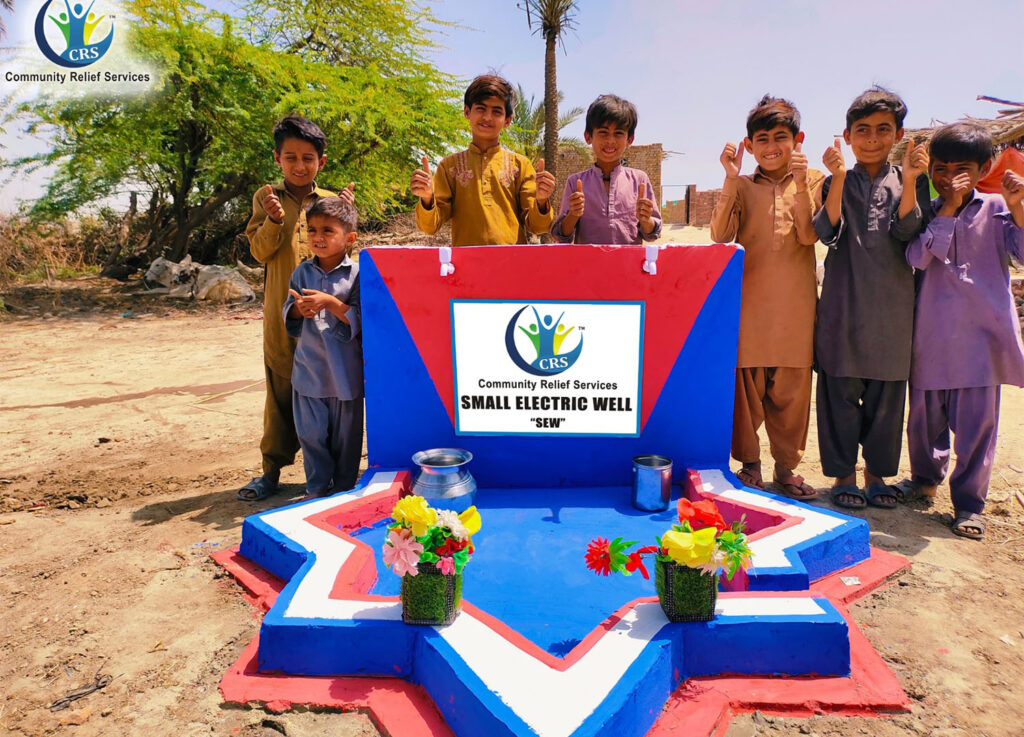
Rebuilding Lives & Livelihoods
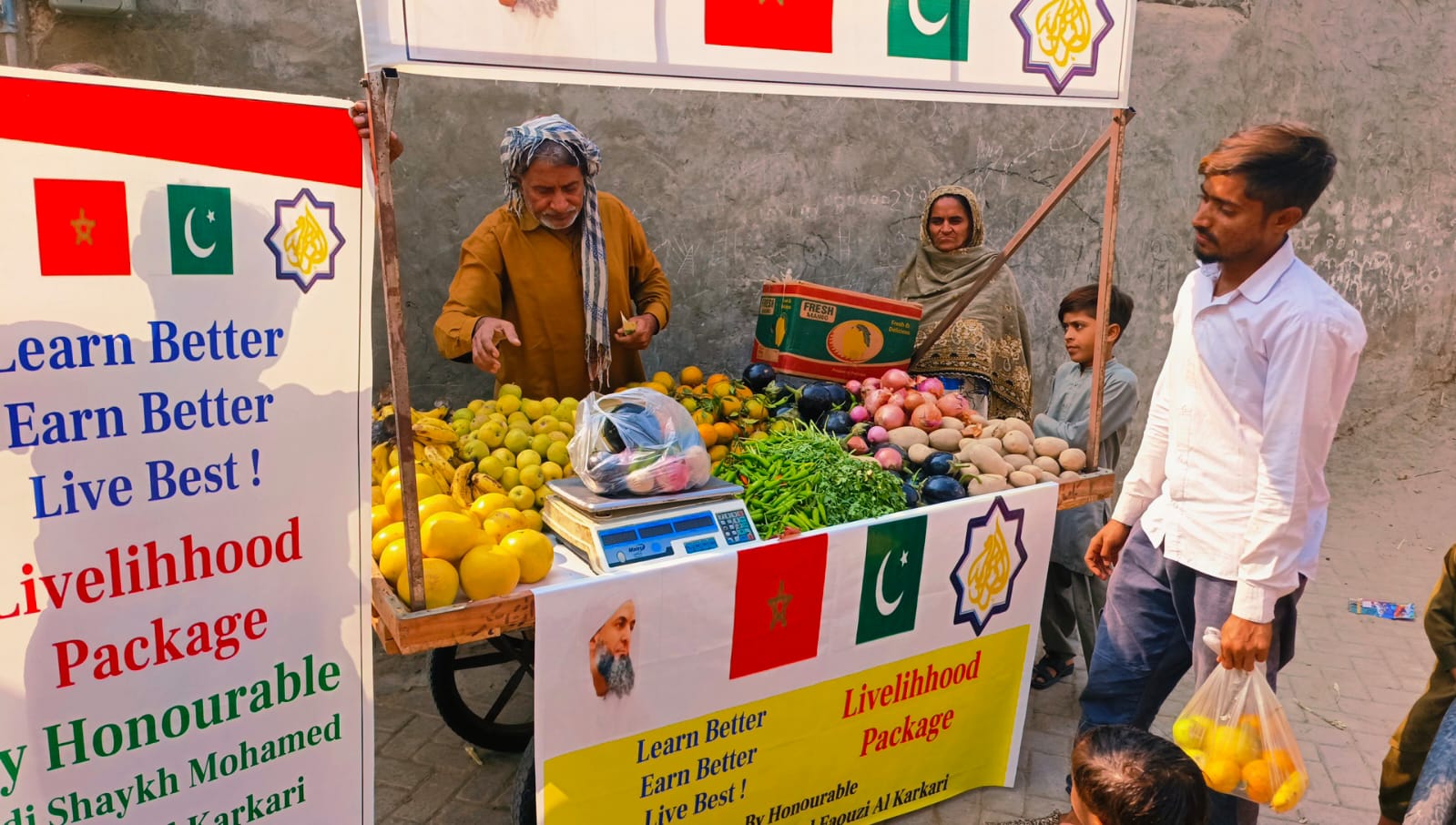
Our commitment continues beyond emergency relief. Once immediate danger has passed, we support families in rebuilding homes, restoring livelihoods, and regaining stability. This long-term approach strengthens resilience and helps communities recover with dignity and hope.
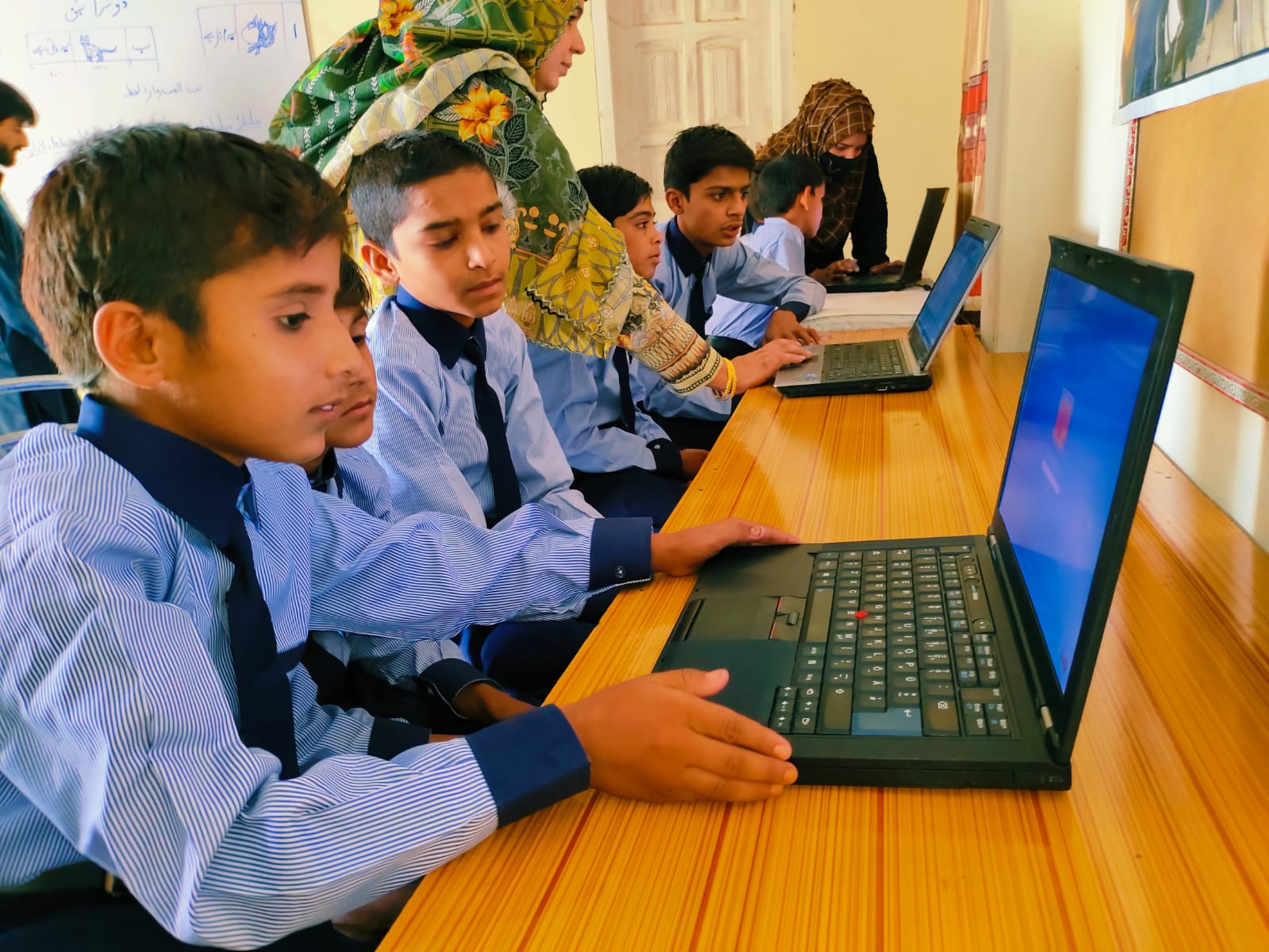
School Cluster Policy-A pilot project
The objective of the school clustering policy is to support the Sindh Education and Literacy Department is to smoothly implement thef School Clustering Policy and enhance the capacity of the relevant stakeholders to advance the level through field coaching so that new delegated powers can be exercised by the cluster schools’ head teachers and technical support to the government of Sindh, for scaling up the clustering policy execution and develop the monitoring and reporting system
Child Safe Spaces
Child psychosocial well-being refers to the emotional, social, and psychological development of a child. It encompasses their ability to form relationships, express their feelings and navigate the world around them. A child’s psychosocial well-being is shaped by a variety of factors including genetics, environment, experiences and relationships with others. A positive and supportive environment, nurturing relationships with caregivers and opportunities for socialization and learning all contribute to a child’s psychosocial well-being. Conversely, adverse experiences such as neglect, abuse or trauma can negatively impact a child’s psychosocial development and lead to long-term consequences. It is important for caregivers, educators and mental health professionals to prioritize a child’s psychosocial well-being in order to promote their healthy development and overall well-being